Regular drain cleaning is important to maintain your household drains and keep away clogs, unpleasant smells, pipe damage, potential water damage, and costly repairs. Preventative maintenance promotes efficient plumbing, extended pipe longevity, and a clean, odour-free environment.
Most Sydney homes experience drainage issues due to hair, grease, tree roots, or sediment buildup. Regular maintenance is better than a plumbing emergency. Clearing out household drains before they become a major issue would require professional intervention, such as sewer backup or pipes bursting.
This guide will cover how often each type of drain should be cleaned and what signs indicate that immediate action is needed.
Why Regular Drain Cleaning Is Important
Prevents Backups and Clogs
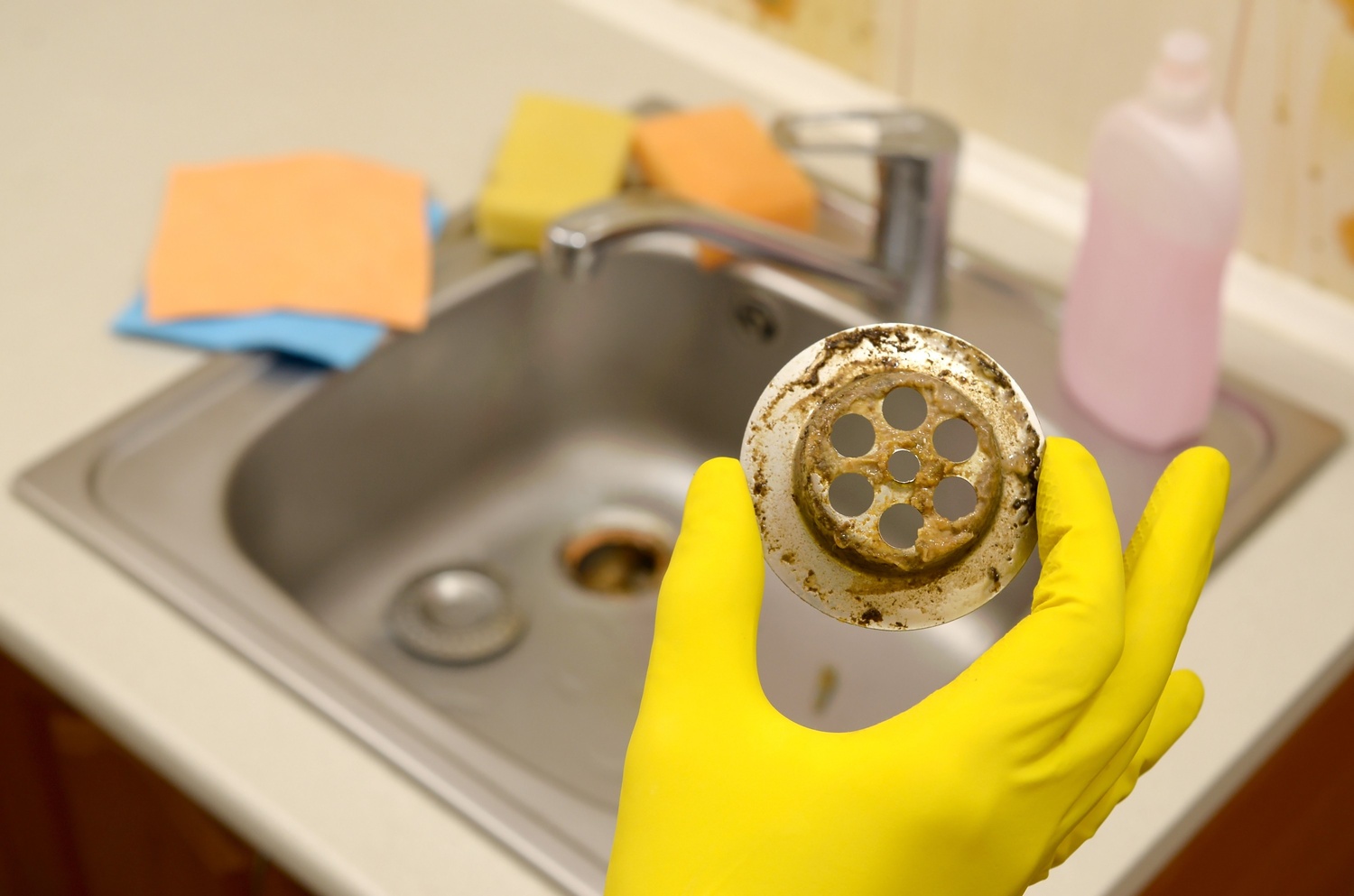
Routine drain cleaning can help remove buildup from grease, food particles, hair and soap scum that establish inside pipes over time. This accumulation can reduce the flow of water, either slowing it down or stopping it completely.
It can result in backups of water in the sinks, tubs, showers and toilets. By removing these blockages early, regular cleaning prevents plumbing back-ups that are inconvenient and expensive.
Fights and Reduces Foul Odours
Common causes of these smells can include pieces of trapped debris that encourage bacteria (such as mould and mildew) to grow inside the drain pipes. Regular cleaning removes these smelly buildups for a fresh and healthy living and working environment at home and work.
In addition, cleaning your sink will minimise the accumulation of biofilms and trapped sewer gases, which can lead to lasting odours.
Prolong the Plumbing System’s Life
Clog collection will not only block your household drains, but can also cause pipes to corrode, crack, and break down due to increased pressure and chemical reactions from the trapped debris. Regular drain cleaning is a precautionary practice that helps preserve the integrity of your pipes and reduces the likelihood of damage or complete failure.
Saves on Repair and Replacement Cost
Routine maintenance is cheaper than those midnight plumbing emergencies. Unclogging a drain when problems are minor can prevent them from escalating into more serious issues that require professional repairs, such as a sewer backup or a burst pipe.
Homeowners and businesses can save more in the long run with this simple yet effective investment in regular drain cleaning. Customary drain cleaning allows homeowners and business owners to save money compared to letting unattended plumbing problems go unaddressed.
How Often Should You Clean Different Household Drains?
Kitchen sink: Do a deep cleaning on a monthly or quarterly basis, especially if you use a garbage disposal. Try citrus rinses or additional baking soda and vinegar treatments to remove the smells. Boil water and pour it down the drain to melt grease and other obstructions.
Bathroom sink & shower drains: Clean bathroom sink and shower drains every month or two to get rid of hair, soap scum, and toothpaste that tend to collect in the drain.
Toilets: Inspect and clean every month or more frequently. Get in the habit of proper flushing, and ONLY flush toilet paper and human waste.
Laundry drains: It is recommended that you regularly clean your laundry drain every three to six months to avoid buildup, soap residue, and limescale that can result in clogs and odours.
Main sewer line: If your property has several large trees or you frequently dispose of grease, cleaning should be done every six to 12 months or more often. This helps prevent root ingression through the drains and clogging with grease.
Keeping a cleaning schedule for each drain in your home is a crucial aspect of maintenance that can save you money, preserve the health of your plumbing system, control odours, and save you time and money.
Signs Your Drains May Need Immediate Cleaning
When you start seeing signs of a blockage or issues with your plumbing, you don’t want to end up with a bigger problem if you let the matter go unattended. It’s an indication that your drains may require major cleaning.
Gurgling sounds or air bubbles: Odd sounds coming from drains or bubbles in the toilets can indicate trapped air from a clog in your sewer or drain lines.
Slow drains: Water that settles and drains slowly from your bathroom sinks, tubs, or showers indicate grease, soap, hair, or other particle buildup.
Water backing up: Water coming up in a tub, sink, or toilet indicates a block in the sewer or drain line that needs to be addressed immediately.
Bad odours from sinks or showers: Foul odours exiting from drains or near plumbing facilities may be a sign of sewage or waste blockages or leaks around the drain pipes.
Standing water around drains: Standing water around your drains, toilets or basement floors indicates a severe blockage somewhere that is not allowing anything to drain away properly.
Frequent clogs or repeated use of plungers: Clogged toilets that require more than one flush to clear usually indicate an obstruction that is deeper in the system and will require professional drain cleaning.
Identifying these symptoms early and making prompt drain cleaning appointments can help prevent significant plumbing damage, health hazards, and needless expense.
DIY Drain Cleaning Tips for Homeowners
To clean your drains properly at home and avoid costly plumber fees, here are DIY tips using common household items and basic tools to help.
Boiling water and baking soda + vinegar: Measure 1/2 cup of baking soda and pour it into your drain, followed by 1/2 cup of white vinegar. Place the drain cover on top and let the fizz work in the drain for 10-60 minutes. Flush with hot water to remove dissolved grime.
Mesh hair catchers: Place mesh hair catchers or screens in sinks, bathtubs, and showers to keep clog-causing debris out of your pipes.
Avoid harsh chemicals that damage pipes: Refrain from using chemicals that can damage the pipes even further and pose health hazards.
Use of plungers or small drain snakes for minor clogs: Use a sink or tub plunger to generate suction and dislodge small blockages. Fill the fixture halfway with water, set the plunger directly over the drain, and plunge vigorously for 1-2 minutes.
You can also use a manual drain snake to physically break up or pull out clogs. Stick the snake into the drain, turn the handle clockwise, force the snake further down, and turn the handle counterclockwise to pull out the clog or debris from the sink.
When DIY cleaning proves unsuccessful to minor clogs, it’s best to call a professional plumber to avoid worsening the situation or damaging the pipes or plumbing system itself. Contact one if there is:
- Persistent or recurring clogs
- Slow drainage
- Foul odours coming from drains
- Gurgling or bubbling noises
- Flooding or stagnant water
- Failure of DIY methods
- Older or complicated plumbing systems
- Exposure to dangerous chemicals and safety concerns
When to Call a Professional Plumber
It’s the little things that probably prompt you not to call a professional plumber, such as a drip, but there are a few signs that your small plumbing issue is actually something more serious. Such signs may be detrimental to health or home safety, and may result in serious damage that can only be handled competently by expert plumbers.
If you notice any of the following, call a professional plumber right away:
Frequent or Stubborn Clogs: Frequent slow or backed-up drains that don’t respond to do-it-yourself fixes can indicate problematic clogs deeper in the lines. Main sewer lines may need to be cleared with professional tools and techniques.
Sewer Backups: A prompt response from a plumber is critical when it comes to sewer gas in your home or evidence of a clogged or collapsed sewer line. This is for health and safety reasons as well as to avoid potential structural damage.
Old or Decaying Pipe Systems: If your pipes are old or deteriorating, it’s best to call a professional plumber. These types of pipe systems are very risky and it takes a plumber’s expertise, right tools, and safety measures to determine the right approach when repairing or replacing.
Link Plumbing is the expert in Sydney for all your drain clearing and inspection needs. Our approved plumbers have the capability, technology and experience to quickly identify and clear any blocked drain using a drain camera, drain jetting, and other advanced equipment.
We provide a quick, dependable service with fair pricing and have high customer ratings. If you have an emergency or need a drain inspection and cleaning in Sydney, Link Plumbing is the plumber to call!
Our combined 35 years of plumbing expertise make us the go-to plumbing specialists you can trust to inspect, install, repair, and replace. Contact or call us at 0412 056 027 any time of the day. We are open 24/7, seven days a week. We provide same-day service and honest fixed pricing. We serve Northern Beaches, North Shore, Ryde, and Hills District.
Frequently Asked Questions
1. Can I use bleach to clean household drains?
Bleach does not dissolve typical clogs, such as hair, food particles, oils, grease, or paper products. It can actually harm plumbing systems or pipes, depending on the composition of the drain.
2. Is monthly drain cleaning too much?
Draining the pipes monthly isn’t that bad and can be helpful, depending on how much your household uses and how your plumbing is set up.
3. Why do my drains smell even after cleaning?
The most common reason you might still smell a drain even after cleaning is that the problem could be deeper than the drain itself and cannot be solved by cleaning up the surface. This ranges from bacteria and the accumulation of biofilm, mould, mildew and organic debris at the bottom of pipes.
4. How do I know if my main sewer line needs cleaning?
To determine whether your main sewer line is clogged, some tell-tale signs include slow water and backflow from your home’s plumbing system. Some of the symptoms it is important to look out for are gurgling sounds, stinky smell, constant clogging and etc.
5. Are natural drain cleaners safe for pipes?
Yes. Using natural solutions to clear your drain won’t harm your pipes, because it’s made with non-corrosive ingredients. It includes baking soda, hot water, and vinegar.