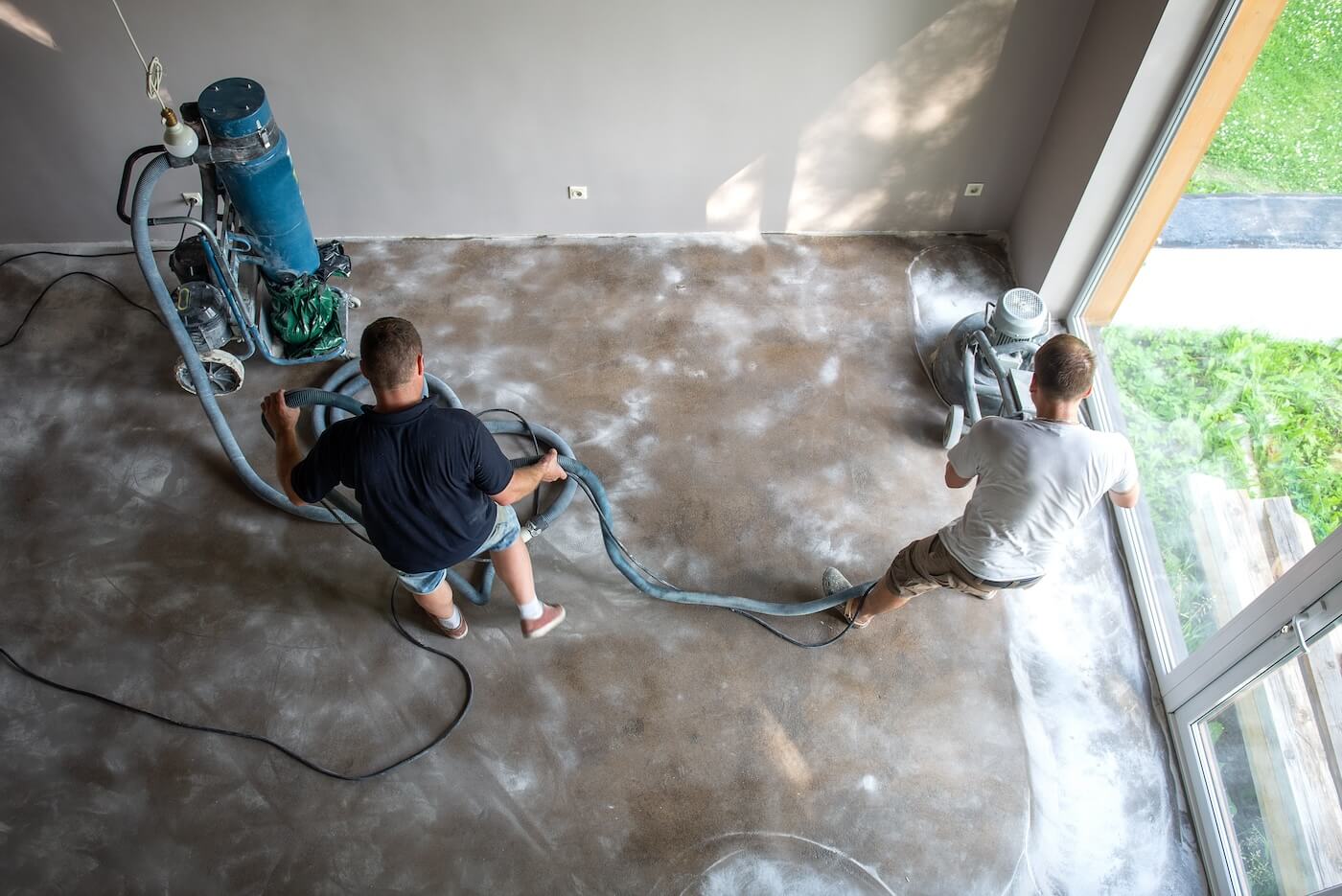
10 Common Plumbing Causes of Home Flooding

Home Flooding Plumbing Restoration copy (1)

Home flooding due to plumbing issues can be attributed to various factors. Its effect can also be as minimal as a small puddle to a fully flooded storey. Regardless of its size, home flooding can result in unwanted consequences, especially if left unattended.

This is why a licensed plumbing expert should be immediately contacted to clean up its aftermath. They should also be tapped to provide preventive services to ensure the minimisation of home flooding occurrence.

Here is where your trusted local emergency plumbing service provider comes in. Link Plumbing is quite the expert, with over thirty years of combined verified experience. We are ready to address the root causes of your home flooding.

With Link Plumbing, you won’t have to wait until your home becomes a pool.

1. Broken, Burst, and Leaky Pipes

Pipes are the building blocks of plumbing systems. They move water from one point to the other. Broken, burst, or leaky pipes can easily let out much water, leading to flooding.

Burst pipes sound like their name – water can quickly and rapidly fill the space. On the other hand, leaks can be quite manageable when caught early. But when left unsolved, they can stress the plumbing system.

This is why it is important to have a proper diagnosis of your pipes. Through a professional lens, you can have it fixed and prevent recurrence.

2. Blocked Drainage Systems

Things should be properly disposed of – this goes for clumps of fallen hair after a shower or ‘flushable’ wet wipes after a loo. When a sewer system is designed not to take these in, it’s probably for good measure. An abundance of these foreign objects will clog up the system. The pipes cannot move these items down, and water will flow back into the home.

3. Poor Drainage Structure

Blocked drainage due to foreign objects is one thing. But when your system is built incorrectly, it will lead to similar or worse problems.

4. Clogged Gutters

Like blocked drainage systems, a clogged gutter cannot properly flow rainwater away from your home. This can accumulate water in the driveway and enter your living space, especially if there is no elevation difference.

A simple clean-up of debris around or in the gutter will do. However, if you suspect the design is not suited to handle much rainwater, you may be better off calling plumbing professionals.

5. Running Toilets

Depending on why your toilet is running, there are varying serious implications. Leaks toward the toilet base may allow water to seep through your bathroom’s floor or subfloor, leading to damage. Sewer backups due to incorrectly designed toilets are a breeding ground for potential contamination and health risks.

6. Sewage Backup

Wastewater can come up a sink or drain, not just through toilets. This should be taken seriously, as dirty water is a biohazard. It can be caused by multiple reasons, from pipe degradation over time to buildups due to foreign objects and tree roots. But fret not, as all of these can be resolved through plumbing services.

7. Water Heater Corrosion

While corrosion is a natural occurrence when metals are exposed to water, it still needs to be investigated. Water heaters have been engineered to resist corrosion to a certain degree, but they degrade over time.

When that time comes, there will be signs, one of which is water heater leaks. Small as they may be, gradual water drips can accumulate, leading to puddles within your home.

8. Heating, Ventilation, or Air Conditioning (HVAC) Issues

HVAC systems work to cool down your homes. This entails a series of exchanges between warm and cool air. One of the resulting steps is condensation, wherein the condensate (water) drips down from a drain pan to a drain line.

Sometimes, the drain pan overflows due to the buildup of dirt, dust, and debris in the drain line. Corrosion over the metal parts of HVAC systems can also lead to holes or cracks. These two main causes can ultimately induce home flooding.

9. Household Appliance Malfunction

Dishwashers and washing machines primarily use water for their functions. When these systems have leaks or other issues within their water supply, water cannot drain properly from the machine, causing it to back up and flood the vicinity.

10. Damaged and Exposed Foundation

Breakages in your home’s walls can expose your pipes. This makes them more vulnerable to outside forces that can accelerate their wear and tear. Of course, broken pipes can lead to indoor flooding. To protect the stability of the foundation of your own home or investment property, it’s vitally important that your walls are well maintained.

How Link Plumbing Can Help You

The more important question is, “How can we prevent or solve this?” Granted, we definitely have the perfect answer—Link Plumbing.

Send us an email or call us at 0412 056 027 anytime. You can also set appointments online. We work round the clock. Rest assured, our multiple range of services will allow you to see and experience the difference between Link Plumbing and other plumbing services.
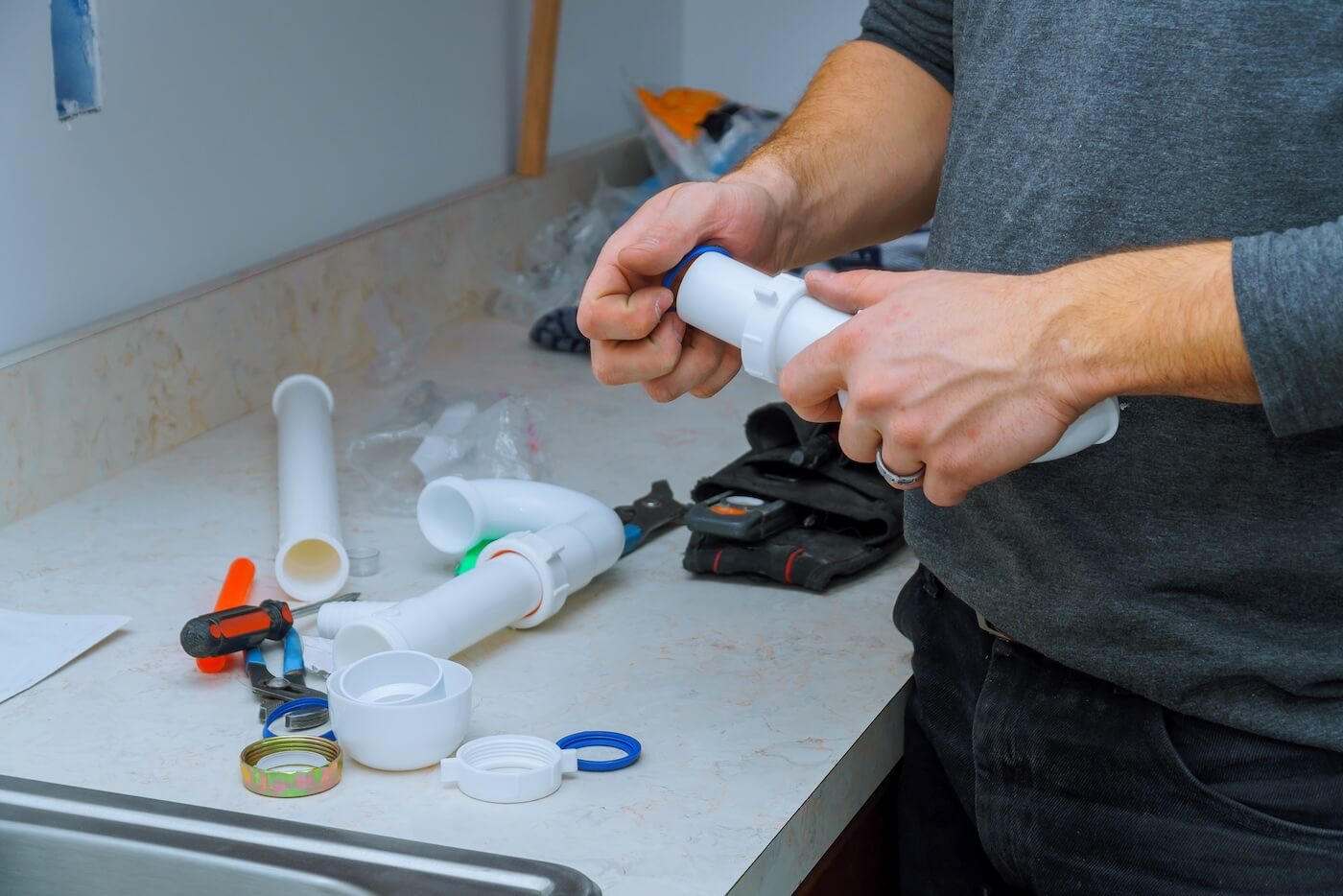
10 Dangers of DIY Plumbing Repairs

Plumber fitting pipes (1)

The most random occurrences can often place us in a frenzy, especially concerning our properties. Imagine going on with your daily routine and a pipe suddenly bursts or the hot water system unexpectedly shuts down. While the immediate aftermath is this slight panic, our brains usually have this way of quickly switching to devising solutions. One of which is to go the DIY route.

With many illustrative step-by-step guides and even how-to videos available online, it’s understandable to consider using DIY solutions. Costs seem to be lower, as the only help you’ll need is your hands and patience while reading the instructions.

Sounds quite easy? In theory, it sure does, but reality is often different.

DIY plumbing fixes can cause more damage, especially when you haven’t tracked down the root of the problem. After all, plumbing issues can be quite deceiving on the surface.

If you’re considering taking on that plumbing problem yourself, here are 10 reasons to reconsider.

Water Leaks Leading to Flooding

Broken pipes and dripping taps can be fixed temporarily through sealants and tapes. If you even have wrenches, you can use them to tighten the loose pieces. But all of these can take a different turn when you don’t have enough knowledge of how these problems came to be in the first place.

If these sealants are not properly placed, leaks can persist, and overtightened plumbing connections can cause cracks. Water will drip, so it’s only a matter of time before your home is flooded.

It is also worth noting that it is easy to forget to shut off the main water source before starting DIY plumbing solutions. But that’s precisely why we have plumbing professionals who can help you fix leaking taps and other similar issues!

Valve Failures

Valves are the primary regulators of your plumbing system’s water movement. With this established role, they take on wear and tear and suddenly, the water pressure drops.

DIY solutions love to encourage valve replacements. But while it may seem easy to follow, it can be tricky and dangerous when done incorrectly. Too tight valves can cause damage to their mechanism, which could lead to crack development in the pipe fittings. These cracks will then set the stage for leakages, which may lead to flooding if left unattended.

Corrosion

Plumbing systems in existing homes and other infrastructures have been carefully placed to ensure optimised flow. Depending on the property’s nature, the type of pipe material used was also heavily considered.

Now, unless you were deeply involved in planning your plumbing system, you wouldn’t know the differences in the pipes used. This is an added risk when you attempt DIY solutions.

Going blind with the type used may cause you to mix and match materials not designed for the whole system. Wrong insulation fittings can lead to corrosion. Moreover, store-bought cleaners are incompatible with specific materials. Not having this prior knowledge can lead you to strip off your pipe interiors, potentially leading to water leaks over time.

Electrical Hazards

Let’s talk about water heater systems. Attempting to install or repair these electrical systems without the proper know-how and tools can result in electrocution or fires.

However, you can rest easy as Link Plumbing has resolved water temperature problems, shutdowns, costly hot water system repairs, and similar issues. Our team has the proper gear and training to handle these plumbing concerns.

Reduced Air Quality

Improperly handled water leaks encourage mould or mildew in your properties. These sneaky moulds create unsightly stains on your walls, floorings, and ceilings.

More importantly, they release tiny spores into the air, lowering indoor air quality and causing potential respiratory issues.

Wasted Time and Effort

Apart from the direct dangers of DIY plumbing, we also have the impact of these equally important measurements like time and effort. Attempts to clear plumbing problems require you to expend your energy.

Efficient solving of these due to knowledge and technological gaps will ultimately mean your attempt is well-spent. You could have allotted time and effort for your daily routines while allowing professionals to work on your property.

Property Damage

Trial and error due to failed attempts to fix your plumbing concerns can cause more damage to your property. Unidentified underlying issues can persist and replicate problems in different areas of your plumbing system. Time is also of the essence here! They have to be repaired as soon as possible to prevent extensive damage.

Reduced Plumbing System Longevity

DIY solutions are often band-aid solutions—they only tackle the issue superficially. But they aren’t designed to address the source, which is vital in maintaining your property’s overall plumbing health.

Higher Costs Incurred

You probably saved money by trying to fix your plumbing problems yourself. It could be if you look at it from a short-term perspective. However, when these repetitive DIY solutions fail, you’d be surprised at the accumulated cost. Investing in a licensed and insured plumber would have saved you from costly troubles.

Potential Accidents and Injuries

DIY plumbing solutions could be more efficient in time, effort, and money and can lead you to physical dangers.

Blocked drains, burst pipes, broken sewage pumps, and leaky gas lines may seem basic. However, things can escalate when you apply the wrong solutions, especially without the proper safety measures acquired through various industry training. You could seriously cut, bruise, electrocute, and burn yourself.

Go the “Alternative” Route with A Professional Plumber in Sydney

With the internet as an extensive library, it’s no wonder DIY solutions are tempting. It’s a craze, after all. But there are things better off seeking out professional help – plumbing is one of them.

As your trusted local emergency plumbing service provider, Link Plumbing has the right team with the right expertise, using the right tools to quickly and reliably address your plumbing issues.

Save your money, time, and effort. Email us or call 0412 056 027. You can also make an appointment online to experience professional plumbing service right at your doorstep.

Hiring a Plumber: 9 Questions You Must Ask

HIRING A PLUMBER

Suppose for a moment that you discover a tiny leak beneath the sink. It’s only a small drip-drip, not gushing. Although it can be tempting to make a quick fix yourself with duct tape, a plumber can save the day like a superhero in this situation.

Preparing these 9 necessary enquiries is the ideal approach while searching for plumbers in Sydney. You’ll be astounded at how fast you can identify a reliable, reasonably priced plumber based only on their responses to the following questions:

1. Do you have a plumbing licence?

licensed plumbers sydney

A plumbing licence guarantees that the plumber satisfies the requirements established by the appropriate local authorities. It shows they have received the proper instruction and possess the skills to do plumbing work safely and efficiently.

Plumbers with licences are likely to do better work. They abide by rules and standards specific to the industry, which frequently means that you will receive excellent service and results.

Don’t be afraid to ask a potential plumber, “Do you have a plumbing license?” It’s also good to check the licence’s validity with your local licensing board or authority to ensure it’s current and in good standing. By taking this measure, you may protect yourself from possible problems and ensure you work with a certified expert.

2. Are you equipped with investigation equipment for diagnostics?

CCTV investigation equipment

Plumbing issues might be challenging to pinpoint. Without needless guesswork, plumbers utilising specialised diagnostic equipment, such as leak detectors, pressure gauges, or long-reach CCTV cameras, can spot problems accurately.

With cutting-edge tools, the plumber can quickly identify the matter at hand, thus saving you time and minimising interruptions to your regular schedule.

This question helps determine how well-prepared and knowledgeable they are in locating and fixing plumbing problems. A plumber with the proper equipment shows they are dedicated to providing trustworthy plumbing solutions and precise diagnosis.

3. Should something go wrong, Do you carry public liability insurance and relevant insurance?

This is one of the most important questions to ask a plumber. Deal with a plumber only if they are covered by workman’s compensation and liability insurance. By checking their insurance coverage, you can feel more at ease knowing that the plumber you’re working with is a trustworthy and insured expert.

If there are any accidents, injuries, or property damage while the plumber works, you and the plumber are protected by public liability insurance. It offers security against unforeseen circumstances and financial coverage.

A professionally insured plumber exhibits professionalism and a dedication to responsibility. It shows they are dedicated to their profession and responsibly ready to deal with unforeseen circumstances.

4. Are you a commercial or residential plumber?

Plumbing for residential or commercial properties can differ significantly. Larger systems, more complex installations, and compliance with specific building rules are standard requirements in commercial plumbing. Residential plumbing often focuses on single-family dwellings, which provide particular challenges. Finding out a plumber’s area of specialty will help you make sure they have the knowledge needed for your specific situation.

Hiring a plumber with experience in commercial plumbing can guarantee that they are aware of the particular needs of larger-scale systems if you are having problems in an industrial building. Similarly, a domestic plumber would be better suited to deal with plumbing-related concerns at home.

Asking them this question can help you assess whether their experience level matches your required plumbing service. It guarantees that the professionals you select are qualified to manage your plumbing concerns.

5. What are your plumbing fees?

A plumber can only provide an estimate by physically assessing the problem. Even while they can give you a rough estimate over the phone, the final cost could be significantly higher because the pricing is not fixed.

You can better grasp how much the plumber charges for their services by inquiring about plumbing rates. While some plumbers charge hourly or make estimates based on the type of work, others have flat pricing for particular projects.

Calculate the approximate total cost of your plumbing project by knowing the fees. Ask if the charges include labour, supplies, and other expenses that might arise throughout the work.

It’s also a good idea to find out if they provide free estimates before they start working. This guarantees transparency and makes evaluating prices across many plumbers easier, letting you select the one whose charges fit the plumbing job’s size and budget.

6. Do you provide a warranty for your work?

A warranty shows that the plumber is confident in the quality of their work. It reassures you that they stand by the standard of their work and are dedicated to resolving any problems that may develop due to it.

You can feel secure knowing that you have a warranty in place. You should anticipate that the plumber will address and correct any difficulties or errors relating to the work done during the warranty period.

Ask about the warranty’s details, such as how long it lasts and what it covers. Knowing the specifics of the warranty guarantees you understand the coverage offered for the job performed. Certain plumbers offer warranties, either for a set amount of time or a specific service.

Checking if a warranty and what it covers will help you ensure the plumber you’re employing is accountable for their work and guarantees the longevity and quality of their services.

7. How long have you been operating in Sydney?

A plumber with a long-standing presence in Sydney is likely to have extensive experience dealing with various plumbing issues specific to the area. They may better understand typical plumbing issues in Sydney homes or businesses, which could result in more effective and efficient repairs.

Long-term professionals in the plumbing industry can establish a reputation in the community. Over time, favourable evaluations and word-of-mouth referrals suggest their dependability and quality of work.

Longevity by itself does not ensure high-quality service, but it can play a role in determining a plumber’s experience and reputation in the Sydney plumbing market. An experienced plumbing company in Sydney will probably employ many seasoned plumbing experts.

8. Do you operate 24/7?

It’s essential to find out if a plumber is available for 24/7 service, particularly if you anticipate having urgent plumbing issues or other difficulties that must be fixed immediately. Plumbing emergencies, such as burst pipes, significant leaks, or backed-up sewers, can happen day or night. A plumber available around the clock guarantees you can receive help quickly in an emergency.

Peace of mind comes from knowing that a plumber is on call around the clock. You won’t have to wait until regular business hours to take care of urgent plumbing issues that, if ignored, could pose a risk to your property. 

Asking them this question can help you determine whether they are available and can respond quickly to plumbing emergencies, especially on the weekends or holidays.

9. Do you have valid references and credentials?

Using the plumber’s references, you can contact past customers to learn about their experiences. Good references are evidence of the plumber’s dependability, professionalism, and quality of work.

Asking about credentials guarantees that the plumber possesses the necessary insurance, bond, and license, as local regulations mandate. Thanks to this verification, customers can be assured that they meet the requirements.

By getting input from past customers and confirming the plumber satisfies the requirements set out by the plumbing business, you may make an informed selection by requesting and checking references and credentials.

Commercial Plumbing Guide: Key Strategies for Smooth Operations and Preventing Downtime

Introduction

When it comes to the smooth functioning of any commercial establishment, plumbing plays a crucial role.

A well-maintained plumbing system is essential for the comfort and convenience of employees and customers and for preventing costly downtime due to plumbing issues. This comprehensive guide will delve into key strategies businesses can implement to ensure smooth operations and prevent plumbing-related disruptions.

From routine maintenance to proactive problem-solving, we will cover all aspects of commercial plumbing management.

Commercial Plumbing: Key Strategies for Smooth Operations and Preventing Downtime

Prioritise Regular Maintenance and Inspections

Regular maintenance is the cornerstone of a trouble-free plumbing system. By scheduling routine inspections, potential issues can be identified and addressed before they escalate into major problems. This preventive approach not only minimises downtime but also saves on repair costs.

Effective Drainage Management

Clogged drains can lead to a multitude of problems, from foul odours to water damage. To avoid such issues, make sure to implement effective drainage management. Regularly clean drains, install drain screens, and educate staff on what can and cannot be disposed of down the drains.

Emergency Response Plan

Even with the best preventive measures in place, emergencies can still arise. Establish a clear emergency response plan that includes contact information for reliable emergency plumbers. Having a plan in place can significantly reduce downtime during critical situations.

Invest in High-Quality Plumbing Fixtures

Cutting corners on plumbing fixtures may seem like a cost-effective choice initially, but it can lead to frequent breakdowns and disruptions. Invest in high-quality fixtures that are durable and designed to withstand commercial use. This investment pays off in the long run by minimising the need for frequent replacements.

Educate Employees on Best Practices

Your employees play a role in maintaining the plumbing system’s health. Educate them on best practices, such as not flushing inappropriate items down the toilets or overloading sinks. Encourage reporting of any leaks or plumbing issues promptly to prevent further damage.

Implement Water-Saving Measures

Water conservation not only benefits the environment but also reduces utility costs. Install water-saving fixtures such as low-flow toilets and faucets. Additionally, fix any leaks promptly to prevent wastage.

Regularly Inspect Water Heaters

Hot water is essential for various commercial operations, from restaurants to hotels. Regularly inspect and maintain water heaters to ensure they function efficiently. Sediment buildup and wear-and-tear can lead to reduced performance and eventual breakdowns.

Grease Trap Maintenance

For businesses in the food industry, grease traps are critical components of the plumbing system. Regularly clean and maintain grease traps to prevent blockages and foul odours. Failure to do so can lead to health code violations and operational disruptions.

Addressing Low Water Pressure

Low water pressure can hinder daily operations and customer satisfaction. Identify the underlying causes of low water pressure and take appropriate measures to resolve them. These could include replacing old pipes, addressing leaks, or adjusting pressure regulators.

Proactive Leak Detection

Undetected leaks can result in extensive water damage and unexpected downtime. Implement proactive leak detection methods, such as regular inspections and installing water leak detection systems. This helps identify leaks early and prevent further damage.

Proper Insulation in Cold Climates

In regions with cold climates, frozen pipes are a significant concern. Properly insulate pipes in unheated areas to prevent freezing and bursting. This simple measure can save businesses from costly repairs and disruptions during the winter months.

FAQs

How often should commercial plumbing systems be inspected?

Regular inspections are recommended at least twice a year. However, businesses in high-traffic or heavy-use environments may benefit from more frequent inspections.

What should I do in case of a plumbing emergency?

In case of a plumbing emergency, immediately shut off the water supply to prevent further damage. Contact an emergency plumber and follow the steps outlined in your emergency response plan.

Are water-saving fixtures worth the investment?

Absolutely. Water-saving fixtures not only contribute to environmental sustainability but also lead to reduced water bills over time. They are a wise investment for any commercial establishment.

How can I prevent frozen pipes in cold climates?

To prevent frozen pipes, ensure proper insulation and consider installing pipe heating systems in vulnerable areas. Keep the thermostat at a consistent temperature to avoid extreme temperature fluctuations.

Can I perform plumbing repairs myself?

For commercial plumbing systems, it’s recommended to hire professional plumbers with experience in commercial settings. DIY repairs can lead to inadequate fixes and further complications.

What are the signs of a hidden plumbing leak?

Signs of a hidden plumbing leak include unexplained increases in water bills, mould or mildew growth, damp spots on walls or ceilings, and a musty odour. Promptly address these signs to prevent further damage.

Conclusion

Efficient commercial plumbing management is essential for smooth operations and preventing costly downtime. By prioritising regular maintenance, educating employees, and implementing effective strategies, businesses can maintain a functional plumbing system and avoid disruptions. Remember, a proactive approach to plumbing can save both time and money in the long run.

Gas Plumber Near Me: Ensuring Safe and Efficient Gas Systems

gas plumber near me comprehensive guide

When it comes to your home’s gas systems, safety and efficiency are of paramount importance. Gas systems’ complexities and potential risks underscore the need for professional expertise.

This is where a Gas Plumber Near Me steps in – a local gas plumbing specialist who can ensure that your gas systems are functioning efficiently and safe for you and your loved ones. In this article, we’ll delve into why having a gas plumber nearby is essential for ensuring a safe and optimized gas system.

gas plumber near me comprehensive guide

The Importance of Professional Gas Plumbing Services

Understanding Gas Systems

Gas systems power various appliances in your home, from stoves and water heaters to furnaces and fireplaces. While these systems provide convenience, they also present potential hazards if not properly installed and maintained. A professional gas plumber possesses the expertise to understand the intricate workings of these systems, ensuring their proper installation, maintenance, and repair.

Safety Concerns with Gas Appliances

If not handled correctly, gas appliances can potentially result in gas leaks, carbon monoxide poisoning, and even explosive incidents. Engaging a licensed and experienced gas plumber near you is crucial to guarantee the safety of your household. Their knowledge ensures that gas lines are installed securely, appliances function correctly, and any potential dangers are promptly addressed.

Benefits of Regular Gas System Maintenance

Consistent upkeep is vital for maintaining your gas systems’ seamless operation and identifying potential concerns before they escalate. A gas plumber can perform routine inspections, identify wear and tear, and conduct necessary repairs. This proactive approach not only enhances the efficiency of your appliances but also extends their lifespan.

Finding a Reliable Gas Plumber Near You

Local Expertise for Timely Assistance

When it comes to gas-related issues, time is of the essence. Having a gas plumber nearby ensures quick response times, particularly during emergencies. Local plumbers can reach your location promptly, minimizing potential risks and damages associated with gas leaks or malfunctioning appliances.

Checking Credentials and Certifications

When searching for a gas plumber, ensure they possess the appropriate licenses and certifications. Proper accreditation indicates their training and adherence to industry standards. A licensed professional has the knowledge to handle gas systems safely and effectively, giving you peace of mind.

Online Reviews and Recommendations

In the digital age, online reviews and recommendations provide valuable insights into the quality of a gas plumber’s service. Take advantage of platforms like Google Reviews or local service directories to gauge the experiences of past customers. Positive reviews and personal recommendations can help you identify reliable and trustworthy gas plumbers near you.

Services Offered by Local Gas Plumbers

Gas Line Installation and Repair

Gas line installation and repair require precision and expertise to ensure safety. A local gas plumber possesses the knowledge to install new gas lines or repair existing ones according to local regulations and safety standards.

Gas Appliance Installation and Maintenance

From water heaters to ovens, gas appliances are integral to modern living. A gas plumber can handle these appliances’ installation, maintenance, and repair, ensuring they operate efficiently and safely.

Gas Leak Detection and Emergency Response

Gas leaks are emergencies that demand swift action. A gas plumber near you can quickly detect gas leaks, locate their source, and take immediate steps to rectify the situation, minimizing risks to your household.

Advantages of Hiring a Gas Plumber Near Me

Quick Response During Emergencies

Gas emergencies require immediate attention. A local gas plumber can respond rapidly to emergencies, reducing the potential for damage and ensuring the safety of your home.

Familiarity with Local Regulations

Local gas plumbers are well-versed in regional regulations and codes governing gas systems. This knowledge ensures that installations and repairs are compliant and safe, preventing potential legal issues and hazards.

Personalized Solutions for Your Area

Every locality has unique considerations, such as weather and geological factors, that can affect gas systems. A gas plumber near you understands these nuances and can tailor solutions to suit your area’s specific requirements.

Ensuring Safety and Efficiency in Gas Systems

Proper Gas Line Installation

The correct installation of gas lines is crucial for preventing leaks and hazards. A gas plumber ensures that gas lines are properly sized, sealed, and connected, adhering to safety protocols.

Timely Maintenance and Inspections

Routine maintenance and thorough inspections are vital to safeguard against potential issues preemptively. A gas plumber can schedule routine checks, identifying and addressing any problems before they escalate.

Swift Resolution of Gas Leaks

Gas leaks are emergencies that demand immediate attention. A local gas plumber can swiftly identify the source of a leak and implement solutions to eliminate the danger.

Contacting a Gas Plumber Near Me

Emergency Helpline for Urgent Situations

Gas emergencies can happen at any time. Access to a 24/7 emergency helpline ensures you can quickly reach out for assistance during critical situations.

Online Inquiry and Appointment Booking

Modern communication methods have made it easier to connect with gas plumbers. Many local gas plumbers offer online inquiry forms and appointment booking options, streamlining the process of seeking assistance — which is particularly handy across Neutral Bay, Kirribilli, Milsons Point, Waverton, Lavender Bay, and McMahons Point, where busy schedules and older services often mean you want issues checked properly the first time.

In conclusion, a Gas Plumber Near Me is pivotal in safeguarding your home’s gas systems. Their expertise ensures that installations are secure, appliances function efficiently, and emergencies are swiftly addressed.

By enlisting the services of a professional gas plumber nearby, you not only ensure the safety of your household but also contribute to the longevity and performance of your gas systems.

Don’t compromise regarding your gas systems – prioritize safety and efficiency by relying on the expertise of a gas plumber near you.

Strata Plumbing: Who Is Responsible

What Is A Strata Scheme?

A system of shared ownership of a building or group of buildings is known as a strata scheme. Individual owners possess their units or apartment, but if their property exists within a strata scheme, they also maintain shared ownership of common spaces such as halls, driveways, and grounds.


The property owners under this scheme join a legal body known as the owner’s corporation or body corporate, responsible for maintaining and managing many common property areas, including the plumbing system. Essentially, this means that the corporate body represents the interests of the owners that share the building.

What Is Strata Plumbing?

Strata plumbing refers to the components of each unit or apartment’s water system if those properties exist within a strata scheme. Each property is interconnected, meaning that each surrounding property shares central pipework. Due to the interconnection of the plumbing throughout the building, pipes will intermittently transverse between private and shared property, often creating confusion over who is responsible for repairing plumbing problems.


An example of this is a leaking faucet in one of the private apartments in the building. If the leak is caused by an internal component, such as fitting, this repair is the homeowner’s responsibility. However, if the leak originates from the common property’s plumbing system, its repair may become the owner corporation’s responsibility.


Commercial plumbers at Link Plumbing are readily available to repair and replace leaking faucets or to diagnose and repair more significant issues such as a burst pipe with a fixed-rate, same-day guarantee. Our technicians are available to service both individual properties and larger plumbing concerns of the building; contact us for a consultation or organise a plumber at your door today.

Who Is Responsible For The Costs Of Strata Plumbing?

The funding for plumbing within the common property is evenly distributed between the owners. A percentage of the fees that property owners give to body corporate is used to pay for the common property’s repair, installation, and maintenance of plumbing services to ensure the water system continues to function optimally. Examples of these responsibilities may include plumbing underneath the apartment, the sewerage system, and guttering.

Upgrading Strata Plumbing

When it comes to the funding for upgrading strata plumbing, who is responsible?

Owners of a property with a strata title that requires plumbing upgrades will often seek the financial support of the body corporate. However, if the funds needed to perform the upgrade do not match the funds available through body corporate, the responsibility to fund the enhancements will often fall onto private property owners. If you decide to self-fund these upgrades or share the cost with neighbouring private property owners, ensure you consult with the owner’s corporate first. This consultation is recommended as the interconnected plumbing systems may affect the common property and surrounding private properties.

Here are a few preventative methods for strata plumbing problems

Strata Plumbing

A proper maintenance schedule is the first step in preventing general plumbing problems in a strata scheme. A consistent maintenance schedule reduces the likelihood of damage building up over time and eventuating into more severe concerns. Through this, problems are repaired before they cause further damage to the immediate area and neighbouring properties.


Damage caused by the lack of maintenance causing deterioration over time is likely not covered by insurance. For many buildings, a building manager oversees the regular maintenance of common property plumbing and is a contact point if you are experiencing plumbing issues in your apartment or unit.


You should regularly check your plumbing system during the winter months as problems such as frozen pipes may occur, detected by evaluating the water pressure from your faucets. Link Plumbing provides same-day plumbers that can identify and repair this problem quickly.


Significant property damage can also result from sewer obstructions. The sewer system is another area of strata plumbing that requires regular inspection to prevent future problems. When water pressure is an identified issue, the owner’s corporation may install pressure limiting components to reduce it before it enters the strata building.

Link Plumbing for all your Strata Plumbing Needs

The nature of strata plumbing can be complex, so you should always select high-quality professionals. The team at Link Plumbing is licenced, insured, and trained to provide quick solutions and a quick response to any strata plumbing concern you have — including across Cremorne, Cremorne Point, Mosman, Wollstonecraft, Longueville, and Linley Point, where strata properties often have shared services that need careful, expert attention. We are available 24 hours a day, seven days a week, for an extensive range of services. Call us today for all your plumbing needs on 0412 056 027.

Quality Strata Plumbing by Local Plumbers in Sydney


No Water Coming Out of Hot Tap? How To Fix the Issue

Are you finding no water coming out of hot tap in bathroom? The problem can be present in new and existing homes for various reasons. Our homes depend on the functionality of our water system, integrated into three key areas: the bathroom, the kitchen, and the laundry. Our plumbing system operates daily and, due to this degree of usage, is likely to acquire wear over time. If you find no water coming out of hot taps in your home, here are a few common reasons this may be occurring and how we can help fix it:

Check the other taps

If you find no water coming out of tap, check other fixtures around the home to see if this is occurring at different points. Checking other taps will help you determine whether this is a broader issue or just a problem with one tap. The faulty tap may need replacement, or you may call a licenced plumber like the ones at Link Plumbing to address a possible blockage.

Check your hot water

If you find no water coming out of taps in your home, try turning on the hot water tap. If no water coming out of hot taps, it may indicate a problem with your water heater. A few common causes of water heater problems are sediment build-up or a leak in the system. If the problem originates from your water heater, we recommend flushing it out and allowing it to reheat. However, if these steps have not re-engaged the hot water, please contact us.

Check for damaged tap components

no water coming out of tap

If there is dripping water or none, it may result from a damaged or dislodged washer. A damaged washer will progressively stop the flow of water through your tap. Noises coming from your tap may also indicate that your washer has become dislodged. We recommend a simple replacement. You will need to turn the water supply off before replacing the washer; additionally, a licenced plumber will be able to perform this repair for you.

Check your main water

If there is no water coming out of tap throughout the house, check that the main valve is open. If the valve is closed, water will not run through the mainline. We recommend opening the main valve and checking if running water has returned. If the water is not running upon opening the valve, contact Link Plumbing to diagnose and repair the problem.

Check with your supplier and neighbours

This problem could occur due to your supplier turning off the water service due to overdue bills or scheduled maintenance. One of the best ways to check whether your provider has turned off the service is by asking neighbours if they are experiencing a similar problem. If they are, this could be a more widespread problem. Calling your provider will help determine an estimated time it will take to turn the supply on.

Check for leaks and blockages

If no water coming out of hot taps, it may be due to a leak in your plumbing system preventing water from flowing through your tap. Determine if there is a leak by following the pipes and assessing the water system for damage or vulnerable points. Although there are temporary fixes, leaks in the hot water system may create more significant problems or damage if not repaired. If you identify a leak in your water system, call us immediately for a timely fix.

Check for rust

Another common issue, particularly in existing homes, is rusted water pipes. Indicators that you have a rusted pipe may include a change in water pressure, water with an orange tint, or no running water. Rust may also be visible on the tap’s exterior. We recommend calling a licenced professional to replace rusted pipes or taps to ensure the installation of replacement components adheres to Australian safety standards.

Check for frozen pipes

frozen pipe

When there are frozen pipes in your home’s water system, this may prevent water from flowing. This problem may likely occur if you live in a cold climate but can occur during the colder months in any area. If you find that the pipe has frozen, the next step is to unfreeze it. If safe to do, this may involve using a portable heater or hairdryer. However, a frozen pipe may have caused damage to the existing line, and therefore, this process may also increase the risk of a leak. If a leak occurs after thawing the pipe, please contact us.


Link Plumbing is one of Sydney’s leading residential and commercial plumbing companies. When you call us, we will send a fully licenced and experienced technician to your door who will assess and repair your water system and ensure the water is running smoothly again — including in Cremorne, Cremorne Point, Mosman, Wollstonecraft, Longueville, and Linley Point, where older plumbing runs and renovations can sometimes hide problems until they become disruptive. Our plumbers have installed, repaired, and performed maintenance on water systems for a combined 35 years; there isn’t any plumbing problem we haven’t seen or fixed before. For tap leakage repair or plumbing of any kind, call us today on 0412 056 027.

Experience High Quality Plumbing by Experienced Professionals.

How To Clear A Blocked Drain — Tips You Need To Follow

Clear Blocked Drain

Whether in your residential property or on commercial premises, having a blocked drain can put a stopper in your day and affect the daily running of your home or business. A blocked drain is a common plumbing issue many property owners dread facing. So, we bring you some simple ways to clear drain blockage yourself before you enlist an expert’s services.


It’s important to note that even if we are diligent in cleaning our drains, things happen. Sometimes small items can flush into the drain and cause a water blockage, or grease and build-up can accumulate over time and cause a blockage. You’ll usually notice a funky smell coming from your drain when the latter happens. The next most obvious sign that you may have a blocked drain is that water will begin to overflow.

6 Easy Tips To Clear A Blocked Drain

Try these methods at home and see if you can clear your drain yourself first;


Boiling Water

For grease build-up, pouring boiled water down your drain can help loosen the grease or any accumulated food scraps. This method is an excellent option for the environment as there aren’t any chemicals involved.


Plunge

Highly effective for solid blockages, you can use a plunger to try and unblock a kitchen drain, bathroom sink or toilet. Ensure you purchase a plunger big enough to cover the entire drain opening. Using a good amount of pressure, plunge into the drain with vigorous up and down movements and note whether this loosens anything solid which may be lodged in, blocking your drain.

blocked drain plungers


Baking Soda and Vinegar

Another environmentally friendly method, this popular option, has been a go-to home remedy for many for successfully unblocking a drain. Give this one a try and see if it works for you.


Start by pouring boiled water down your drain to help loosen up any grease or food scraps that may have built up. Then add half a cup of baking soda into the drain and let it sit for a few minutes. Follow this by pouring in a cup of vinegar, plus another cup of boiling water. Cover the drain with a plug and let the mixture work its magic for a few minutes. End this method by flushing everything down with another cup of boiling water


Wire Coat Hanger

Using an old wire coat hanger is a simple and effective way to remove any solid objects or debris that might be blocking your drain. Unbend the hanger and create a hook at the end. Then insert the hanger into the drain and fish around for anything it can catch onto, which might be causing the blockage.


Check The U-Bend

If you’re experiencing a blockage in your bathroom sink, checking the U-Shaped bend beneath is recommended. You can check this out relatively easily. Simply place a bucket beneath the sink to collect water and unscrew the two attachments holding the U together. You can then rinse any blockages from the U until water runs through smoothly and clear, and then simply re-attach.


High-Pressure Jet Blaster

If the blockage is quite severe, you can use a high-pressure jet blaster if you have one (or can borrow one from a neighbour or friend close by) to apply water force and rid the drain of its blockage. This method, along with using CCTV, is how most plumbers will initially tackle a blocked drain during a call-out.


Disclosure: A high-pressure jet blaster can cause injury if not used properly. Skip this step if you are unsure about the procedure. Get in touch with a plumbing specialist to unblock the drain.

high pressure jet blaster
Give these options a try and let us know what you think. You can save quite a bit of money by attempting to unblock your drain.


However, please keep in mind that this article is intended for households and small commercial blocked drains. Blockages in stormwater or sewer drains should be left to a licensed professional as they know how to tackle larger and more intricate drain blockages such as these — particularly in areas like Greenwich, Woolwich, Hunters Hill, Huntleys Point, Gladesville, and Northwood, where older drainage runs and established trees can make issues more complex. If you have any questions concerning a blocked drain, big or small, give the specialists at Link Plumbing a call for the best advice and knowledgeable expertise in all matters of blocked drains.

Blocked Drain Plumbers – Your go-to local plumbers in Sydney!

Blocked Drain – FAQs

How do you unblock a badly blocked drain?

For a severe blockage, we recommend calling in licensed professionals to tackle the issue for you. The last thing you want is to attempt to unblock a complicated drain issue and unintentionally cause more harm than good. Having a specialist attend to the issue can save you money in the long run.


What is the easiest way to unclog a drain?

Review our steps listed in the blog for tried and tested ways of tackling minor household and commercial drain blockages. Alternatively, give us a call today for expert advice.


Will a blocked drain clear itself?

Sometimes it may clear itself, such as if there is grease trapped and has built up to form a blockage. Running hot water down the drain can help break this down and disperse the blockage. However, we have found more often than not that once a drain has become blocked, and if you experience an overflow of water, this is when conscious action should be taken to rid the blockage.


What do plumbers use to unblock drains?

Plumbers use expert equipment to help unblock drains. From small to large blockages, you can expect your plumber to arrive for your blocked drain repair with all the necessary components to help fix the issue. The equipment can include commercial-grade snakes, plungers and CCTV to help locate the issue quickly and with ease.


How to clear blocked drain?

A blocked drain is a common plumbing issue many property owners dread facing. So, we bring you some simple ways to clear a blocked drain yourself before you enlist an expert’s services.

How to Fix a Leaking Shower

A leaking shower generally starts from something going amiss, like a chipped tile or dripping shower head, a smell coming from your shower or a growing mould. Minor issues can quickly transpire into something much bigger and lead to water damage which can be highly problematic. In most cases, leaky showers are a job for professionals. If the leak is coming from taps, pipes, or the shower base itself, you’re going to need the assistance of someone who knows what they’re doing.

How Do I Know If My Shower Is Leaking?

Before panic mode settles in, there is a simple perform-it-yourself test you can administer before calling a plumber, which could save you time and money.

The first step is to assess whether your shower is actually leaking. You can carry out what is known as a flood test, which simply means to block your shower drain and fill up the base with water from another source.   Have some waterproof tape handy and mark the height to the point you have filled the water. If it doesn’t start immediately gushing out water, you will have to wait it out between 12 – 24 hours, and if the water level is lower than your marked height, you likely have a leaky shower. Next, you need to determine the source of the leak.

What Causes A Leaky Shower Faucet?

The list below looks at the areas that could be the cause of the leak and then why this could have happened.

SHOWER PAN OR TUB

  • Poor craftsmanship during installation
  • Leaky taps
  • Failure to adequately waterproof
  • Blockage or obstruction
  • Worn rubber or silicone sealing
  • Old age
  • Excessive use/wear and tear

SHOWER DRAIN

SHOWER DOORS OR SCREEN

  • Damaged seals
  • Silicone wear
  • Cracks in the screen glass
  • Poor workmanship during installation

CRACKED TILES, GROUT OR PERIMETER JOINTS

  • Cracks in your shower or bathroom tiles or the grout
  • Lack of waterproofing
  • Old age
  • General wear and tear
  • Dripping Taps or Shower Head

TAP WASHER

  • Cracked or worn seat
  • Failed cartridge/mixer tap
  • Old age
  • General wear and tear

PIPES

  • Burst or leaking pipe
  • Blockage or obstruction
  • General wear and tear

To determine the cause of the leak, ensure that you inspect the tiles, grout, silicone and shower perimeter joints for any cracks or damage. If water is coming from any adjoining walls or leaking onto the floor and creating a pool, you may have found the source of the problem.


When inspecting the shower screen or doors, look for water pooling outside your shower. Look closely at the seals and note any mould growing and cracks or missing pieces of your seal. Don’t be alarmed if this is the cause, as it is usually a quick and easy fix.

When examining the showerhead or taps, check if you can hear constant drips coming from your shows even when the water is turned off as it can be yet another reason for the leak.


Continual use can lead to general wear and tear in shower taps, and if the leak is coming from taps or showerheads, replacing them with new parts can be a quick fix. To ensure that it’s a simple leak and not a deep-rooted issue, we recommend seeking the advice of a professional plumber dealing in shower tap leakage repair and tap replacement. If a leaking tap or showerhead is not dealt with on time, it can use much more serious damage.


If you notice that water isn’t flowing through the drain properly when examining the shower drain, you can perform a simple DIY test to determine this.


Don’t use your shower for 24 hours, and ensure the area around and inside is completely dry. Remove the metal drain cover if it is not stuck down, and pour a glass of water from another source around the drain and not into it. If the water does fall through the drain, it is at least escaping. There might be gaps between the fibreglass base in your shower that connects to the drain pipes or a crack in the pipes surrounding the drain.

What Damage Can A Leaking Shower Do?

A professional can easily fix issues with a leaking shower. However, if you neglect to attend to a leak, you could face some bigger issues down the track, some of which include:

UNPLEASANT AND NOTICEABLE WATER STAINS

Constant dripping can lead to watermarking and stains in and around your shower, which can be quite unsightly. Removing the markings might demand a more intense job if your leak is left unattended. If you love the aesthetic of your bathroom, this is something you should pay attention to.

HIGH WATER BILLS

If you have a leak in your shower, you will notice that your water bills are higher than expected. An unattended leaky shower can sometimes waste upwards of 90lt of water a day! This is something you will want to deal with asap as you may not notice the problem until your utility bills arrive.

EXPENSIVE REPAIRS

Water can break things down over time, and if you do not attend a leaky shower, you may have to replace some of the structural aspects of your shower, which can be costly! So, to avoid potentially renovating your entire bathroom, look into options such as re-grouting shower sealing before any further damage is caused.

HEALTH RISKS

One of the worst things that can come from having a leak in your shower is the adverse health risks associated with mould build-up, which can grow on your bathroom walls or floor. Health issues can range from respiratory issues to irritations in and around the eyes and skin rashes. In some cases, it can cause headaches and fever.

Most of the effects mentioned here can be avoided if you attend to the leak as soon as you discover it. Do not put this issue off, and ensure you call an expert to help you today.

If you are experiencing a leaky shower and are based in Sydney’s northwest — including Dee Why, Curl Curl, Freshwater, Manly Vale, Narraweena, and Balgowlah — give Link Plumbing a call for a comprehensive and competitive quote. Driven with the vision to provide the highest quality plumbing services to the residential sectors in Sydney, Link Plumbing has a solid background in plumbing services, with a team of highly experienced professionals who genuinely care about quality and delivering industry-leading standards.

As an established team, we are equipped to deliver refined workmanship and service that goes above and beyond, every single time. Our commitment to attention to detail is the secret to our reputation and the reason why our clients know that they are in good hands. Don’t put off fixing a leaky shower for what could be a very simple fix. Give us a call today to learn more.

Leaking Shower – FAQs

WHO TO CALL TO FIX THE LEAKING SHOWER?

You should call a professional who has the skills and experience to assess the cause of and knows how to fix a leaking shower.

HOW DO I STOP MY SHOWER FROM LEAKING?

Inspect your shower closely and regularly to determine if anything seems amiss. Look at cracks in the tiles, leaking showerheads, and water not flowing down the shower drain properly.

HOW MUCH DOES IT COST TO FIX A SHOWER LEAK IN THE WALL?

Depending on the cause as there are more than one cause of a leaking shower I would say between $300-$1500.

DO TILE SHOWERS ALWAYS LEAK?

No, tile showers are not supposed to leak. However, if you notice a crack or damage to your shower’s tiles, this could be where the leak may be coming from.

CAN WATER LEAK THROUGH TILE GROUT?

Yes, if the grout has worn away, water can seep through and cause the leak. If you suspect water leaking through your tile’s grout, it is advisable to have a professional fix this asap.

HOW TO FIX A LEAKING SHOWER BASE?

Fixing a leaky shower base is easy if you know what to do. Follow these instructions to repair your own shower base!

HOW TO FIX A LEAKING SHOWER TAP?

When you have a leaky shower tap, it’s time to call an expert. Call Link Plumbing to get the Leaking taps fixed.

HOW TO FIX A LEAKY SHOWER?

Before panic mode settles in, there is a simple perform-it-yourself step you can administer before calling a plumber, which could save you time and money.

HOW TO FIX LEAKING (DRIPPING) SHOWER HEAD?

It’s easy to fix a leaking shower head. All you need is some common household items.

EXPERIENCE THE DIFFERENCE WITH LINK PLUMBING, YOUR GO-TO LOCAL PLUMBERS IN SYDNEY!

What Is Pipe Relining? Everything You Need to Know

Pipe Relining Overview – What Is Pipe Relining?

Pipe relining technology has introduced a new way to fix urgent pipe repairs in your home or commercial property. Whether fixing a broken pipe or sewerage system, one can now complete tasks without digging up your property or destroying it by the works. Also known as Cured-In-Place Pipelining (CIPP), this process creates a pipe within an existing pipe – a jointless and continuous pipelining. Its purpose is to repair existing pipelines through a trenchless rehabilitation method.

  Pipe relining solutions or CIPP is the best solution for repairing tricky, broken pipes. This no-digging solution is getting popular among plumbers and property owners because it is significantly less impactful than any other pipe repair option and won’t disturb one’s garden or outdoor area. For those who work from home, pipe relining is quiet, quick, and clean, which is why it’s becoming the preferred service for many.

How Does Pipe Relining Work?

Pipe relining is a relatively simple procedure, and when completed by a professional company such as Link Plumbing, it can be performed quietly and in a short amount of time. Below are the steps we take in the pipe relining process:

WE INSPECT AND MEASURE THE PIPES

To get started, we visit your property and use a drain camera, sending it down to assess the plumbing system to see if there are any breaks in the pipes or any blockages and measure up. This step helps us accurately find the problem point and measure it.

OUR TRAINED AND CERTIFIED TECHNICIANS THEN CREATE A CUSTOM PIPELINING AND BLADDER

Once we have the measurements, we will create a custom felt liner and an inflatable bladder that will match the exact specifications of the pipe, including any joints or junctions in place.

WE THEN INSTALL THE PIPE RELINING SOLUTION

When we’re ready to install the relined section of pipe, we soak the felt liner in an epoxy resin and insert the bladder, uninflated, into the pipe liner. A rope is attached to each end of the liner, which we then use to pull and secure the pipe liner into place through the existing access points to your plumbing pipes.   All of this happens without any digging up of your backyard or property surrounds. We use an expert drain camera to ensure that it’s lined up at the right spot. We then inflate the bladder with air, which blows out the felt liner and seals it against the existing pipes, creating a new pipe that holes any existing cracks. The bladder remains inflated until the resin has cured, making a durable and tough pipe. Finally, we deflate the bladder and pull it back out of the pipe, leaving you with a new, durable and watertight pipe.

THE RELINED SECTION IS THEN INSPECTED AND TESTED

Once your pipe has undergone the relining process, we use our CCTV drain inspection camera to examine and ensure that everything has been installed and is functioning correctly.

Is Pipe Relining Worth It?

There are many benefits to undergoing pipe relining as this technology was created as an alternative to the traditional digging up of pipes. Benefits include:

IT IS A MUCH MORE ECONOMICAL OPTION

The traditional method of pipe replacing, which is both labour-intensive and time-intensive, can cost you a higher fee, potentially costing you more on top of your quote if you factor in the process of reinstating the surface finish. Pipe relining requires minimal labour in comparison; it requires less time, which can save you a lot of money.

PIPE RELINING IS MORE EFFECTIVE

There are multiple reasons why this option, in comparison to traditional methods of pipe relining, is more effective. With advanced technology, you save yourself the stress of getting your outdoor area dug up. This method is highly simplified in comparison.   Concerning the cost factor, pipe relining using the tubing is highly cost-effective, as it does not require replacing the pipes. The result of going down this path is that pipe relining can protect your pipes for up to 50 years and generally guarantees up until 35 years. Moreover, relining pipes are 4x stronger than standard PVC pipes and cannot be penetrated by disruptors such as tree roots, something which gardening enthusiasts may be aware of.

Cost For Pipe Relining, Drain Relining

The cost of pipe relining is significantly less than traditional ‘dig to discover’ methods. Given the technology’s long-lasting, highly durable and impenetrable resilience and factoring in how it further works, the cost of pipe relining can set property owners back between $500 – $800 per linear meter in Australia.

Pipe Relining Vs Replacement – Which Is Best?

A traditional method, pipe replacement has been a go-to approach for plumbers and property owners for decades. However, pipe relining is a relatively new option with a proven success rate amongst installers and the properties they have serviced. When deciding which option is better for you, it is worth looking into pipe relining for its many benefits. These include cost-effectiveness, high durability, a life expectancy of 50 years, and elimination of any disruption to the outdoor area of your property. Talk to your trusted plumber today about this simple solution.

  Traditional Pipe Repair (Dig solution) Advanced Technology Pipe Relining (No dig solution)
Will your garden or lawn need to be dug up? ✔️ ✖️
Will the process be relatively quiet or noise-free? ✖️ ✔️
Is your new piping expected to last 35 – 50 years? ✖️ ✔️
Will your new piping be penetrable by tree roots? ✔️ ✖️
Will your new piping be economical? ✖️ ✔️
Could you be up for unexpected costs during installation? ✔️ ✖️

Whether for pipe relining, drain relining, pipe location services, pipe relining solutions, sewer pipe relining or sewer relining, if you are based in Sydney’s north-west — including Northbridge, Middle Cove, Castlecrag, Riverview, Forestville, and Frenchs Forest — give Link Plumbing a call for a comprehensive and competitive quote. Born with the vision to deliver the highest quality plumbing services to the residential sectors in Sydney, Link Plumbing has a solid background in plumbing services, with a team of highly experienced professionals who genuinely care about quality and deliver industry-leading standards.   We’re a team that’s established in the business and we understand what it takes to deliver refined workmanship. Give us a call today to learn more.

Pipe Relining FAQs

How long does pipe relining last?

Pipe relining has a lifespan of about 50 years expectancy, with guaranteed durability for 35 years.

Is pipe relining expensive?

Pipe relining is significantly cheaper compared to traditional methods of relining. You can expect to pay between $500–800 per linear meter in Australia.

How long does pipe relining work take?

You should allow for one entire working day to complete the job itself. The curing process can then take between 1 and 24 hours.

Can you reline a collapsed pipe?

Whether it be water, drainage or sewer pipes, these can be relined to create a sturdy, incredibly durable, crack-resistant new pipe within existing pipes.

Do you still need to excavate to reline a pipe?

Only if we need to gain a access point into your sewer line, But general most homes already have a access point.

Can you reline a cast iron pipe?

Pipe relining can be done for both sewer and cast iron pipes. Due to their contact with wastewater, cast iron pipes have higher chances of rusting and corrosion and may collapse before the end of their lifespan—cast iron pipe relining restore the pipes by sealing the cracks and joints.

What is pipe relining?

Whether fixing a broken pipe or sewerage system, one can now complete tasks without digging up your property or destroying it by the works. Also known as Cured-In-Place Pipelining (CIPP), this process creates a pipe within an existing pipe – a jointless and continuous pipelining. Its purpose is to repair existing pipelines through a trenchless rehabilitation method.

EXPERIENCE THE DIFFERENCE WITH LINK PLUMBING, YOUR GO-TO LOCAL PLUMBERS IN SYDNEY!